

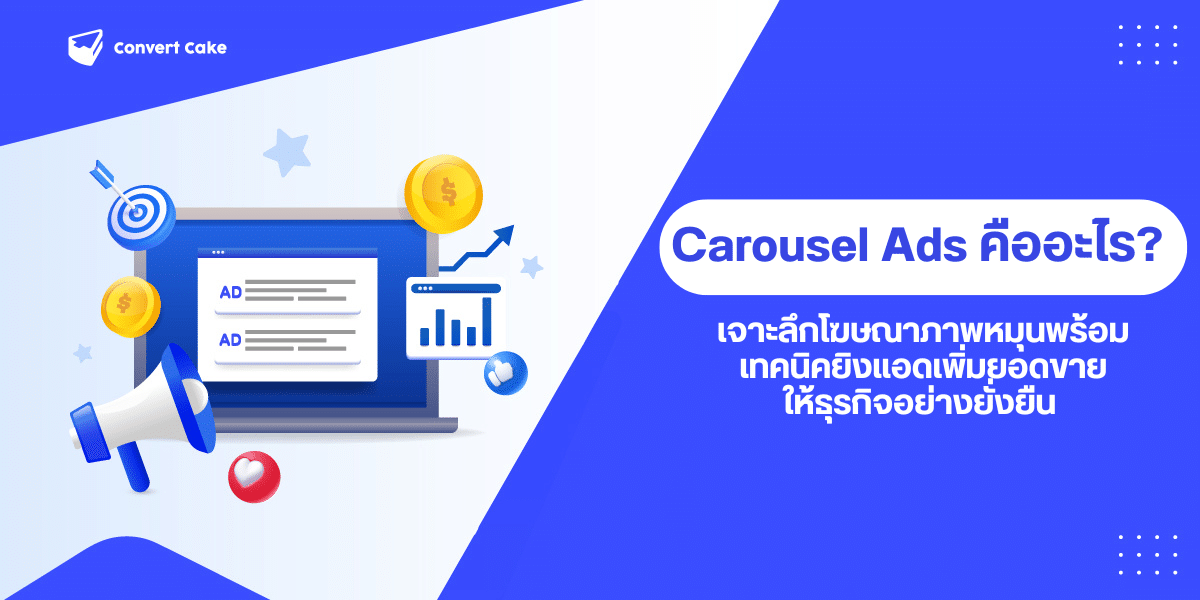
Key Takeaways
- Carousel Ads deliver higher engagement and conversion rates than single-image ads by featuring up to 10 slides of images or videos, each with its own Call-to-Action and independent URL.
- Highly adaptable across every stage of the sales funnel, from showcasing multi-product collections and step-by-step guides to leveraging social proof and brand storytelling.
- Utilizing clean layouts with generous white space, consistent brand mood and tone, high-impact hero slides, and seamless design techniques drives users to swipe through to the final card.
Have you ever wondered why traditional single-image ad campaigns often suffer from rising CPCs and declining conversion rates? Or why leading brands are optimizing their ad spend by switching to carousel formats to increase CTR? In an era where users scroll past content in milliseconds, capturing immediate visual attention and communicating your product’s value proposition within seconds has become a critical marketing priority.
Format innovations like Carousel Ads offer a direct solution to this challenge. For brands and agencies seeking data-driven Paid Media Services, understanding ad structures, technical specifications, and structured A/B testing methodologies for Carousel Ads is essential for maximizing ROI and ensuring seamless execution with marketing partners or specialists from Convert Cake.
Table of Contents
What Are Carousel Ads and How Do They Work?
Before launching an ad campaign, mastering the foundational mechanics of Carousel Ads is crucial. This format is far more than a simple sequence of images, it is a strategic content framework engineered to deliver smooth, engaging, and highly trackable user experiences. This framework is regularly deployed by the 10 Best Online Marketing Agencies in Thailand like Convert Cake to help leading brands scale revenue and maximize return on investment (ROI).
Definition and Origin of Carousel Ads
Carousel Ads are a multi-slide advertising format that allows advertisers to showcase multiple images or videos within a single post. Users can continuously swipe left or click navigation arrows to view sequential content. Pioneered by Facebook in 2015, the format quickly expanded across major digital platforms due to its ability to deliver richer information than standard single-image ads.
Core Advantages of Carousel Ads
The defining strength of Carousel Ads lies in their ability to mix and match media types, combining up to 10 static images or videos in a single ad unit. Because each slide can feature a unique headline, description, and Call-to-Action (CTA) button, advertisers can direct users to dedicated landing pages tailored to specific products.
Key reasons why marketing teams prioritize Carousel Ads include:
- Multi-Format Media Support: Seamlessly blend static images, videos, and animated GIFs within one cohesive campaign.
- Independent Landing Page Attribution: Assign distinct destination URLs to individual slides to send traffic directly to specific product pages.
- Enhanced Interactive Engagement: Encourage active swiping, significantly increasing user dwell time and brand exposure.
- Cost Efficiency: Industry data shows Carousel Ads can reduce Cost Per Click (CPC) by 20–30% compared to traditional single-image ads.
Supported Platforms and Technical Guidelines
Deploying Carousel Ads effectively requires strict adherence to platform-specific technical parameters. Proper formatting ensures media renders crisply without unwanted compression, cropping, or aspect ratio distortion across all device sizes.
Meta Carousel Ad Specs (Facebook & Instagram)
Meta remains the foundation of carousel advertising, leveraging a vast user base spanning diverse demographics, from Gen Z on Instagram to working professionals on Facebook. Meta’s core advantage lies in its precise machine learning algorithms, which optimize ad delivery to high-intent audiences actively comparing products. This makes Meta ideal for retargeting and driving direct sales. Partnering with top-tier media teams from Top Facebook Ads Agencies in Thailand 2026 like Convert Cake ensures budget efficiency and campaign performance optimization.
Technical specifications and file guidelines for Meta Carousel Ads include:
- Card Count: 2 to 10 slides per ad set
- Aspect Ratio: 1:1 (Square) for Feed; 9:16 for Stories and Reels
- Recommended Resolution: 1080 x 1080 pixels (Feed); 1080 x 1920 pixels (Stories/Reels)
- File Formats: .JPG, .PNG for static images; .MP4, .MOV, .GIF for videos (Max image size: 30 MB; Max video size: 4 GB)
- Video Duration: Up to 2 minutes per slide (15 seconds recommended) for Instagram Feed, Stories, and Reels
LINE OA Carousel Ad Specs (Card-Based Message)
LINE Official Account (OA) stands out in Thailand with industry-leading open rates across broad consumer demographics. Delivering ads via Card-Based Messages allows brands to re-engage existing customers and brand followers with high purchase intent. This channel is exceptionally effective for repeat purchase campaigns, promotional broadcasts, and customer relationship management (CRM).
Technical specifications and file guidelines for LINE OA Carousel Ads include:
- Card Count: Up to 10 cards per message set
- Aspect Ratio: 1:1 (Square)
- Recommended Resolution: 1080 x 1080 pixels
- Ad Placements: Direct chat room broadcasts, LINE VOOM, and LINE TODAY
X (Twitter) Carousel Ad Specs
X (Twitter) excels in real-time conversations, breaking trends, and immediate engagement. Its core user base, primarily Gen Z and Tech-savvy Millennials, actively tracks emerging trends. Utilizing Carousel Ads on X enables brands to capture early adopters and trendsetters who readily interact, comment, and retweet, making it an ideal choice for product launches and viral marketing campaigns.
Technical specifications and file guidelines for X Carousel Ads include:
- Card Count: 2 to 6 cards (mixed image and video support)
- Aspect Ratio: 1:1 (Square) or 1.91:1 (Landscape)
- Recommended Resolution: 800 x 800 pixels (for 1:1); 800 x 418 pixels (for 1.91:1)
- Video Duration: Up to 140 seconds per clip (15 seconds recommended)
High-Converting Carousel Ad Design Tactics
Achieving optimal ROI with Carousel Ads requires more than attractive visuals, it demands strategic content structuring, visual hierarchy control, and technical precision aligned with user behavior to turn impressions into measurable conversions.
4 Strategic Applications for Carousel Ads Across the Funnel
Aligning your message angle with target consumer psychology at each sales funnel stage dramatically increases purchase velocity.
Recommended application strategies include:
- Multi-Product Showcasing: Ideal for product bundles or new collections, allowing shoppers to explore multiple variants (colors, specs, sizes) with dedicated CTAs driving direct traffic to individual product pages to reduce cart abandonment.
- Step-by-Step Guides: Simplifies complex products or services into intuitive 1-2-3 sequential cards, helping consumers grasp usage instructions and value propositions rapidly without reading long text blocks.
- Social Proof & Reviews: Aggregates real customer imagery, before-and-after results, or positive testimonials into a logical sequence, building trust, overcoming buyer skepticism, and driving bottom-funnel conversions.
- Brand Storytelling: Links visual elements and narrative copy across consecutive slides to encourage complete swipes, extending ad dwell time and solidifying long-term brand recall.
Layout Tactics to Boost Click-Through Rate (CTR)
Visual design serves as the primary barrier to stopping users from scrolling past your ad in the first few critical seconds. In crowded digital environments, uninspired ads are bypassed instantly, leading to depressed CTRs and subpar ROI. Effective carousel design relies on visual communication strategies engineered to guide eye-tracking patterns.
Leveraging color theory, distinct focal points, and structured information hierarchy converts casual scrolling into active brand interaction. Understanding the broader mechanics of Advertising Media equips designers and marketers to construct layouts tailored specifically to user behaviors on each platform.
Essential visual design tactics include:
- Maintain Clean, Uncluttered Layouts: Prioritize white space to make products pop. Avoid overly dense text overlays that clutter the frame or risk algorithmic reach suppression.
- Ensure Consistent Mood & Tone: Standardize color palettes, image styling, and typography across every slide to convey professional quality and reinforce brand corporate identity (CI).
- Hook Users on the Hero Slide: Use high-impact visuals or headlines built around curiosity gaps and consumer pain points on the first card to incentivize leftward swiping.
- Apply Seamless Design Techniques: Extend graphic elements or product imagery across slide boundaries, utilizing a subtle psychological cue that signals incomplete content ahead and prompts users to swipe through.
CTA Configuration and Performance Analytics
Optimizing call-to-action buttons and analyzing backend campaign data ensures maximum efficiency for your ad spend and improves overall ROI.
Key setup and analytical practices include:
- Match CTAs to Campaign Objectives: Align button copy with desired user actions, such as “Shop Now” for direct sales campaigns or “Learn More” / “Contact Us” for high-consideration services.
- Conduct Slide Order A/B Testing: Experiment with initial slide placements by testing direct product shots against social proof reviews or short-form video hero slides to identify top-performing conversion structures.
- Analyze Granular Slide-Level Data: Continuously monitor individual slide CTR, CPC, and drop-off rates. Promptly replace or remove underperforming cards to maintain campaign efficiency.
Conclusion
Mastering Carousel Ads represents a strategic step forward in aligning paid media campaigns with modern consumer behavior. By combining rich multi-card storytelling, granular landing page attribution, and cost-efficient CPC structures, Carousel Ads serve as a vital pillar for brands scaling their Paid Media Services. To craft advanced ad structures and data-driven growth strategies, consult with the growth team at Convert Cake to accelerate your business performance.
FAQ
1. How do Carousel Ads differ from Single Image Ads, and which format offers better ROI?
Single Image Ads excel at delivering a single, concise message for broad awareness. Carousel Ads excel at sequential storytelling and multi-product showcasing. On average, Carousel Ads deliver 20–30% lower CPCs and higher overall CTRs due to interactive swiping behavior.
2. What content works best on the first slide of a Carousel Ad?
The first slide (Hero Slide) should feature high-impact visuals, contrasting background colors, or compelling headline hooks addressing audience pain points and curiosity gaps. Utilizing seamless design techniques across the first frame further incentivizes users to continue swiping.
3. How should marketers run A/B tests for Carousel Ads effectively?
Begin by testing the primary hero slide, comparing product-focused images against customer reviews or video cards. Monitor backend analytics regularly; if user engagement drops sharply at a specific card, swap or remove that image immediately to preserve overall ad performance.

Related Blogs
What is Bumper Ads? How to Create 6-Second Ads That Hit the Mark, Boost Views, and Drive Sales
What Are Facebook Messenger Ads? How to Turn Ad Views into Real Sales
